Spring TX Trees and Hurricane Season: What Beryl Taught Harris County Homeowners

June 16, 2026

Share this article

On July 8, 2024, Hurricane Beryl made landfall near Matagorda, Texas, and moved directly through Harris County as a Category 1 hurricane. By the time it passed, trees had killed at least nine people across the region, left millions without power, and caused damage estimated in the billions of dollars. A 73-year-old woman died when a tree fell through her north Harris County home. Widespread tree failure was documented across Spring, The Woodlands, Humble, and neighborhoods throughout the county.


According to the Houston Landing, Harris County lost more tree canopy in Beryl than any other county in the region. As of 2021, Houston had 33.3 million trees with a canopy covering 18.4 percent of the city, according to the U.S. Forest Service Southern Research Station. Most of those trees are on private property. Most of the ones that fell during Beryl were also on private property.


The 2026 Atlantic hurricane season is underway. Spring, TX sits in Harris County, one of the most hurricane-exposed counties in the United States. The question for every homeowner with significant trees on their property is not whether another storm will arrive. It is whether their trees are prepared for it.


This guide explains what tree trimming before hurricane season actually accomplishes, which tree species in the Spring area carry the highest risk during high-wind events, and what Bill Beal's Bonded Tree Service looks for when assessing a tree's storm readiness.

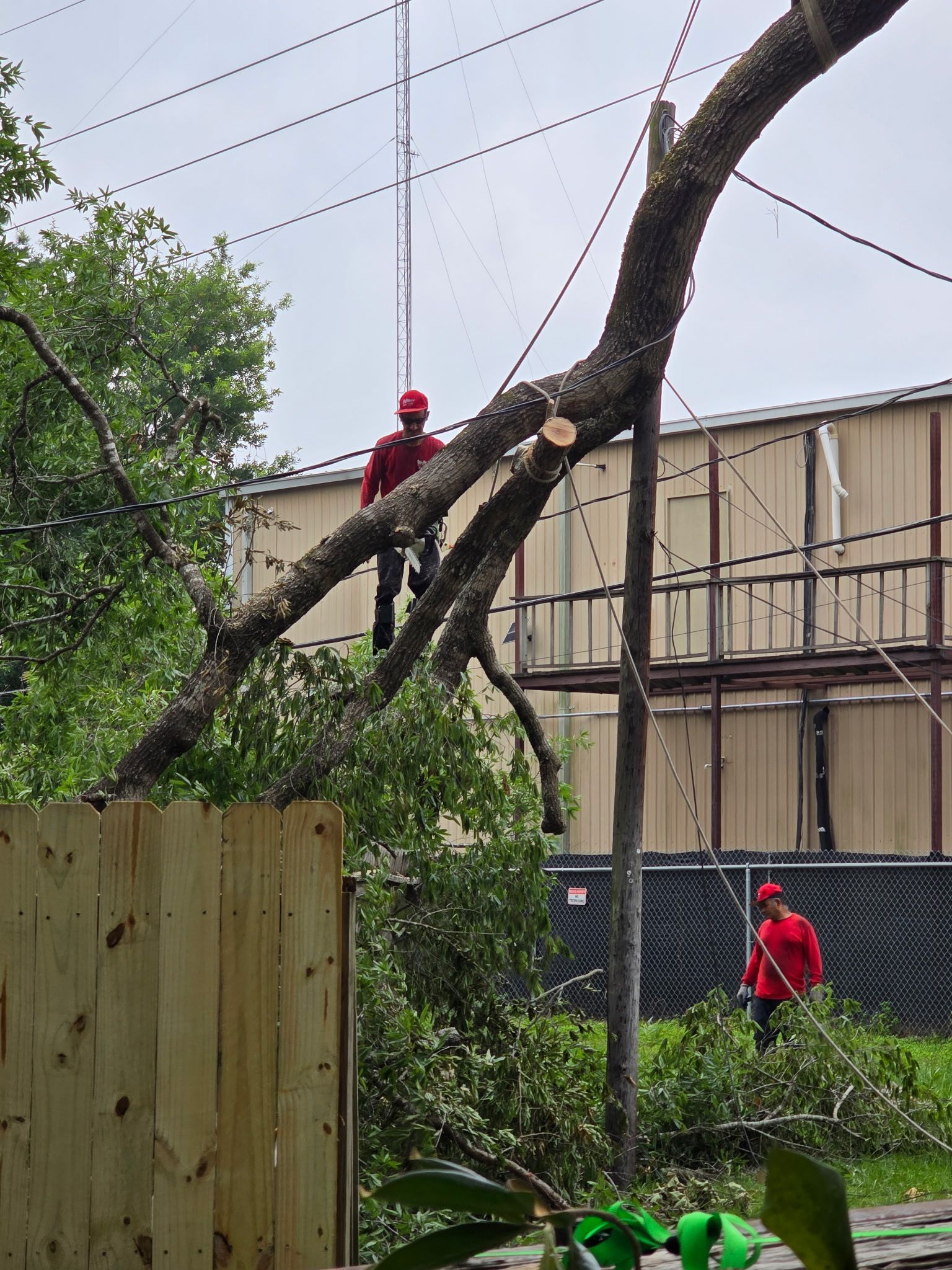
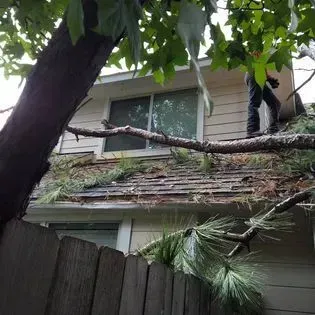
Tree limbs fallen across a house roof and fence after storm damage.

Why Tree Trimming Before a Storm Is Different from Regular Maintenance

Most Spring TX homeowners think of tree trimming in terms of appearance: shaping the canopy, clearing branches from the roofline, keeping the yard looking clean. Pre-storm trimming has a different goal entirely. It is about reducing the forces that a hurricane-force wind can apply to the tree and to everything the tree might hit if it fails.


Wind acts on a tree like a sail. The larger and denser the canopy, the more surface area the wind has to push against, and the more force is transmitted to the trunk, root system, and the connection between the root plate and the soil. A properly thinned canopy allows wind to pass through rather than pushing against a solid surface. This reduces the load on the root system and on structural branch unions that may already be carrying more stress than they appear to from the ground.


According to research from the University of Florida Institute of Food and Agricultural Sciences, which has studied hurricane tree damage across multiple major storm events, trees that receive proper structural pruning before storm exposure have significantly better survival outcomes than unpruned trees of the same species. Proper pruning removes dead wood, eliminates co-dominant leaders that create weak branch unions, clears branches that are crossing or rubbing, and reduces the overall canopy weight in the outer portions of the crown where wind leverage is greatest.


What pre-storm tree trimming accomplishes:


  • Canopy thinning: Removing interior and crossing branches to allow wind to flow through the canopy rather than pushing against it as a solid mass, reducing overall wind load on the root system
  • Dead wood removal: Eliminating dead and dying branches that have no structural integrity and become high-velocity projectiles in hurricane-force winds before they are launched by the storm
  • Co-dominant stem correction: Addressing included bark between co-dominant stems, the most common structural defect leading to major branch failure, while the tree can still be managed safely
  • Canopy weight reduction: Removing weight from the ends of long, extended branches that create leverage forces on branch unions during high winds
  • Clearance from structures: Establishing appropriate clearance between canopy and rooflines, power lines, and neighboring structures before a storm puts those branches in motion

The Trees in Spring TX That Carry the Highest Storm Risk

Not all trees fail equally in a hurricane. Species, age, structural condition, soil saturation, and proximity to other trees all factor into how a specific tree performs under high winds. For Spring and Harris County homeowners, the tree species most commonly found in residential landscapes sort into distinct risk categories based on documented storm performance data.


High-Risk Species in the Spring TX Area


  • Loblolly Pine (Pinus taeda): The loblolly is the iconic tree of Spring's residential neighborhoods and the East Texas Pineywoods that define the regional landscape. It is also one of the more problematic species during hurricane events. Research published in the journal Arboriculture and Urban Forestry found loblolly pine rated medium-low for hurricane resistance. Critically, loblolly pine in poorly drained soils, which describes much of Harris County's heavy clay landscape, show significantly higher treefall probability during high winds than the same species in well-drained conditions. The combination of shallow roots in waterlogged soil and a tall, single-trunk form creates conditions where loblolly pines uproot rather than snap, taking the entire root ball out of the ground. Large loblolly pines near structures, particularly those showing any lean, root exposure, or crown dieback, warrant professional assessment before hurricane season.

  • Chinese Tallow (Triadica sebifera): Common throughout Harris County neighborhoods, Chinese tallow is documented as having low wind resistance in hurricane research. Its brittle wood and relatively shallow root system make it prone to branch failure and whole-tree uprooting during high-wind events. Chinese tallow also reproduces aggressively, meaning volunteer trees that have established along fence lines or property boundaries often have compromised root systems from growing in constrained spaces.

  • Water Oak (Quercus nigra): Water oaks are common in Spring's established neighborhoods and are consistently documented in hurricane research as having low wind resistance compared to other oak species. They are prone to internal decay as they mature, which is often not visible from the exterior until a storm reveals the compromised wood. A water oak with a full canopy and no obvious external signs of decline may have significant internal decay that only becomes apparent when the trunk fails under wind load.

  • Pecan (Carya illinoiensis): Texas's state tree is a common large-canopy species in Harris County residential landscapes and one that research consistently identifies as having poor wind resistance. Pecans develop large, spreading canopies with long, extended branch systems that create significant wind leverage. Their wood, while strong, develops structural defects at scaffold branch unions that accumulate over the tree's life.

More Wind-Resistant Species in the Area


  • Live Oak (Quercus virginiana): The live oak is consistently identified as one of the most hurricane-resistant tree species in Gulf Coast research. Its low, spreading form, flexible wood, and deep root system give it a fundamental structural advantage over tall, single-leader trees in high winds. Live oaks still require structural pruning and deadwood removal before storm season, but their species-level wind resistance makes them substantially safer than the high-risk species listed above.

  • Bald Cypress (Taxodium distichum): Consistently rated with high wind resistance in hurricane research alongside live oak. Common in low-lying areas of Harris County where its flood tolerance matches the landscape conditions.

  • Southern Magnolia (Magnolia grandiflora): Rated high for wind resistance in published research and a common ornamental species in Spring neighborhoods. Its dense, flexible canopy and strong branch structure perform well in storm conditions relative to other common species.

What Bill Beal's Looks for in a Pre-Storm Tree Assessment

A pre-hurricane tree assessment is not a visual inspection from the driveway. The conditions that cause tree failure during a storm are frequently not visible from ground level without training and experience. Bill Beal's Bonded Tree Service has been providing tree services in the Spring, TX area for over 40 years, which means the team has assessed trees before hurricanes and seen the outcomes after them, repeatedly.


The assessment focuses on:


  • Root zone condition: Signs of root damage, root plate movement, soil heaving around the base, or fungal growth at ground level that indicates root decay. A tree that appears healthy in the canopy can have a root system that will not hold it upright under Beryl-level wind loads.
  • Trunk and base inspection: Checking for cavities, soft wood, seams, cracks, and fungal conks at the trunk base, all of which indicate internal decay that is not visible from the outside. The trunk base is where most whole-tree failures originate.
  • Branch union structure: Identifying co-dominant stems with included bark, which are the most common source of major branch failures during storms. These look like a V-shaped union between two roughly equal stems and can be addressed with pruning while the tree is young but require removal of one leader in mature trees.
  • Dead wood inventory: Cataloging dead branches throughout the canopy. In a storm, dead wood becomes projectiles. A large dead branch directly above a roofline is a liability that should be removed before the storm season regardless of any other condition assessment.
  • Canopy clearance: Establishing what clearance exists between the tree canopy and the structure below, and whether branch positioning creates direct impact risk if the branch fails at its union.
  • Lean assessment: Measuring and documenting any lean toward structures, with attention to whether the lean is structural, caused by root failure, or simply the tree's natural growth pattern responding to light and space.

When Removal Is the Right Answer Before Storm Season

Tree trimming prepares a structurally sound tree for hurricane season. It does not make an already-compromised tree safe. Some trees in Spring TX yards need to come down before the storm season, not after it. The trees that Beryl took down were not random. They were disproportionately trees with pre-existing structural defects, advanced internal decay, root system compromise from construction or soil compaction, or species characteristics that made them high-risk in the first place.


Indicators that removal is warranted before storm season rather than trimming:


  • Significant lean toward a structure with root plate movement: A lean that has developed or increased recently and is accompanied by soil heaving or cracking around the base indicates that the root system is already failing
  • Large cavities in the trunk: A cavity that penetrates more than one third of the trunk diameter indicates that the structural wood capable of holding the tree upright has been reduced to the point where wind loading creates unacceptable failure risk
  • Multiple large dead limbs throughout the canopy: A tree that has lost significant portions of its live crown to dieback is in decline and may not have the structural integrity to withstand hurricane-force winds
  • Fungal conks on the trunk or major roots: Shelf fungi growing on the trunk or at the root flare are the fruiting bodies of wood-decay organisms that have been breaking down the structural wood inside the tree, often for years before the visible sign appears
  • Loblolly pines over 60 feet tall within fall distance of the home: Given Harris County's soil saturation conditions during hurricane rainfall events and loblolly's documented vulnerability in poorly drained soils, large loblolly pines in the fall zone of a structure represent a specific, documented risk that professional removal before storm season addresses decisively

Bill Beal's Bonded Tree Service: 40 Years of Storm Season Experience in Spring TX

Bill Beal's Bonded Tree Service has served the Spring, TX area and the surrounding Harris County communities since the 1980s. The team has prepared properties for hurricanes and responded to storm damage after them across decades of Gulf Coast storm seasons. That experience informs what the assessment team looks for, what trimming approach makes sense for each species and condition, and when the honest answer is that a tree needs to come down rather than be trimmed.


Services available for spring storm preparation include:


  • Pre-storm tree trimming: Structural pruning, canopy thinning, dead wood removal, and clearance work for trees remaining on the property
  • Hazardous tree removal: Complete removal of trees identified as high risk for structural failure during storm conditions
  • Stump grinding: Removal of stumps following tree removal to eliminate tripping hazards and prevent regrowth
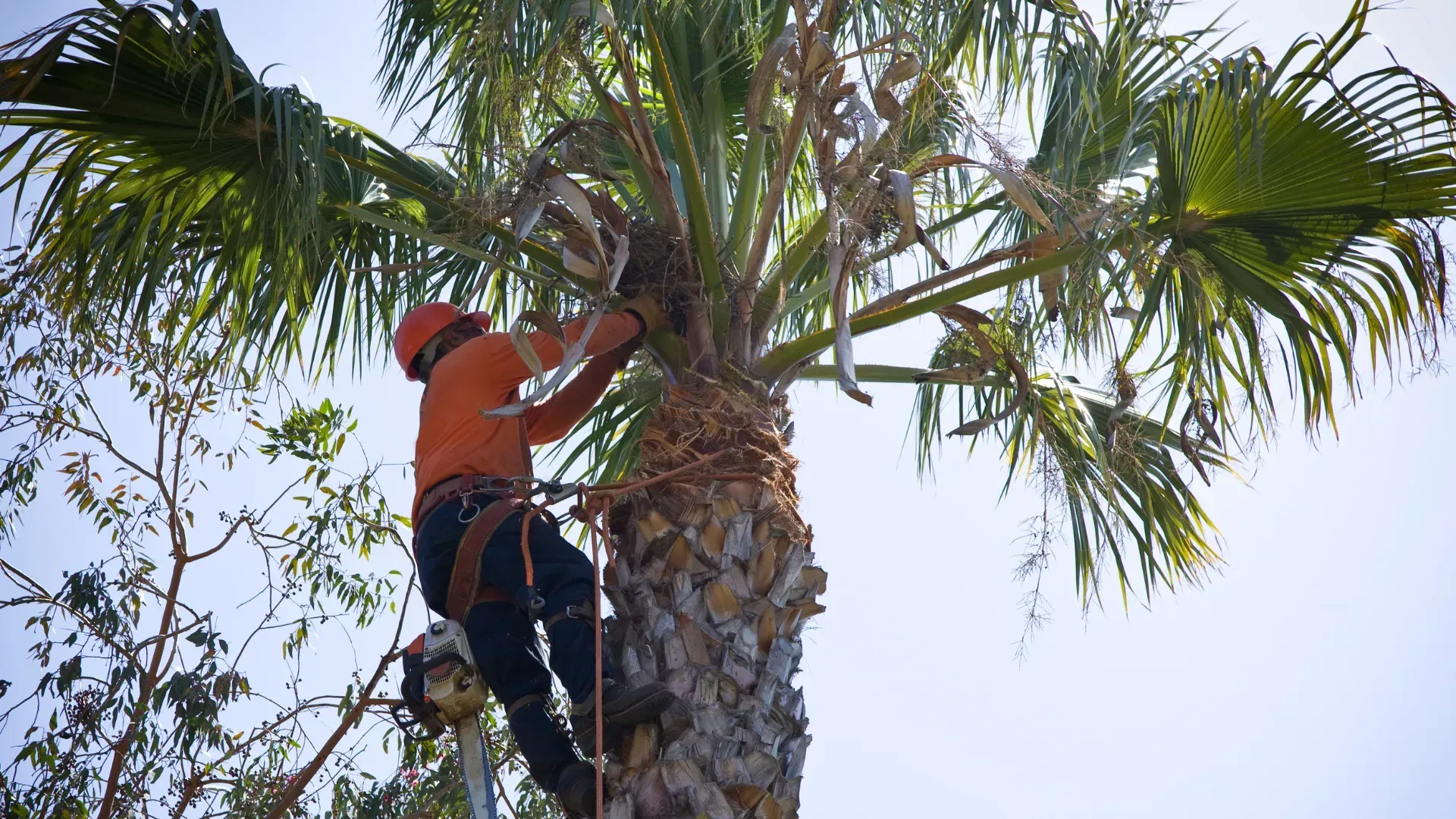
  • Palm tree trimming: Removing dead fronds and seed pods from palm trees that can become projectiles in high winds and add unnecessary weight to the canopy


Free on-site estimates are available for any assessment, with honest guidance on what each tree needs and what it will cost before any work begins.

Recent Posts

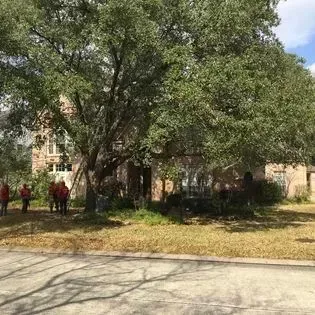
Large tree in front of a brick house; people standing on the lawn.
February 18, 2026
Learn why tree fertilization is essential for healthy trees in Spring TX and how professional care protects your property.
Two-story brick house with large tree in front, on a sunny day.
January 21, 2026
Learn when and how to fertilize trees in Spring, TX. Professional tree fertilization improves growth, health, and long-term resilience.
December 16, 2025
Trees Increase Property Value and Curb Appeal
October 28, 2025
Discover which trees pose the greatest risks after severe weather in Spring, TX and surrounding areas. Bill Beal’s Bonded Tree Service provides expert inspections, removals, and storm damage cleanup to keep your property safe.
Logs of varying sizes in a wooded area; some upright as stumps.
October 14, 2025
How to Tell When a Tree Is Structurally Unsafe: Critical Signs Spring, TX Homeowners Need to Know
Emergency tree removal crew clearing storm-damaged tree in Spring, TX
October 7, 2025
Bill Beal’s Bonded Tree Service offers 24/7 emergency tree removal in Spring, TX. Safe, fast storm damage cleanup with bonded and insured experts.
Professional arborist trimming branches in Spring, TX neighborhood
September 24, 2025
Trusted in Spring, TX for over 40 years, Bill Beal’s Bonded Tree Service offers safe tree removal, trimming, stump grinding, and palm tree care.
Tree service crew trimming large oak tree near Spring, TX
September 18, 2025
Bill Beal’s Bonded Tree Service provides expert tree removal, trimming, and stump grinding within 40 miles of Spring, TX. Call for a free estimate!