4 Signs a North Houston Tree Is Under Heat Stress and Needs Immediate Attention This August
August is when heat stress becomes easier to see across Spring and North Houston. A tree may have looked normal through early summer, then suddenly begin curling leaves, browning at the edges, dropping foliage, or developing dead twigs after weeks of high temperatures and limited soil moisture. Those symptoms do not automatically mean the tree is dying, but they do mean the tree is having trouble keeping up with water demand.
At Bill Beal’s Bonded Tree Service, we look at
tree health in Spring, TX by separating normal seasonal response from stress that is beginning to affect the canopy, roots, or structure. This August, that distinction matters. The National Weather Service Houston/Galveston office has documented repeated hot and humid conditions across Southeast Texas, with August outlooks showing high temperatures in the 90s and heat index values frequently reaching the triple digits.
NWS Houston/Galveston has also highlighted a warmer and drier than normal August pattern for the region.

Sign 1: Leaves Stay Wilted, Folded, or Curled Beyond the Hottest Part of the Day
Some temporary wilting during the hottest afternoon hours can happen even when a tree still has access to moisture. The more concerning pattern is when leaves remain limp, folded, or curled into the morning, or when the same symptoms continue day after day.
Texas A&M Forest Service lists dropping or wilting leaves among the common signs of drought stress. Its tree drought guidance also explains that stressed trees may begin showing smaller or malformed leaves as water limitations affect normal growth.
Pay closer attention when:
- Leaves remain wilted early in the morning
- One side of the canopy wilts more than the other
- Young trees are declining faster than mature trees nearby
- Soil several inches below the surface is dry
A simple soil check can help.
Texas A&M Forest Service recommends pushing a screwdriver 6 to 8 inches into the soil. If it will not penetrate easily because the ground is dry, supplemental water may be needed.
Sign 2: Leaf Edges Turn Brown, Scorched, or Crispy
Brown leaf margins are one of the most recognizable signs of summer water stress. The tree may still have a mostly green canopy, but the leaf edges begin drying first because they are among the areas farthest from the water supply moving through the leaf.
Heat-related scorch often shows up as:
- Brown tips or margins
- Crispy outer leaf tissue
- Scorch concentrated on exposed branches
- Increasing damage after hot, dry periods
For homeowners managing heat-stressed trees in The Woodlands, TX, the first question should be whether the soil is actually dry enough to justify more water. Adding irrigation to already saturated soil can create a different root problem.
Our
tree care blog includes related guidance on tree fertilization and North Houston storm damage.
Sign 3: The Tree Starts Dropping Leaves or the Canopy Suddenly Looks Thinner
Texas A&M Forest Service notes that drought effects may persist for years because severe drought can kill fine feeder roots. Its drought-effects guidance explains that a tree may remain stressed until those roots recover, leaving it more vulnerable to borers, root rots, and canker-causing pathogens.
Canopy thinning deserves professional attention when:
- Leaf loss is much earlier than normal
- One major section of the canopy thins first
- New deadwood appears with the leaf drop
- Root disturbance or construction happened nearby
- The tree is close to a home, driveway, pool, or high-use area
A tree health assessment in Tomball, TX, Spring, or nearby North Houston communities is especially useful when the canopy change is uneven. Uneven decline can point to root damage, decay, vascular problems, or another issue that watering alone will not correct.
Sign 4: Deadwood or Secondary Pest Activity Starts Appearing After the Heat
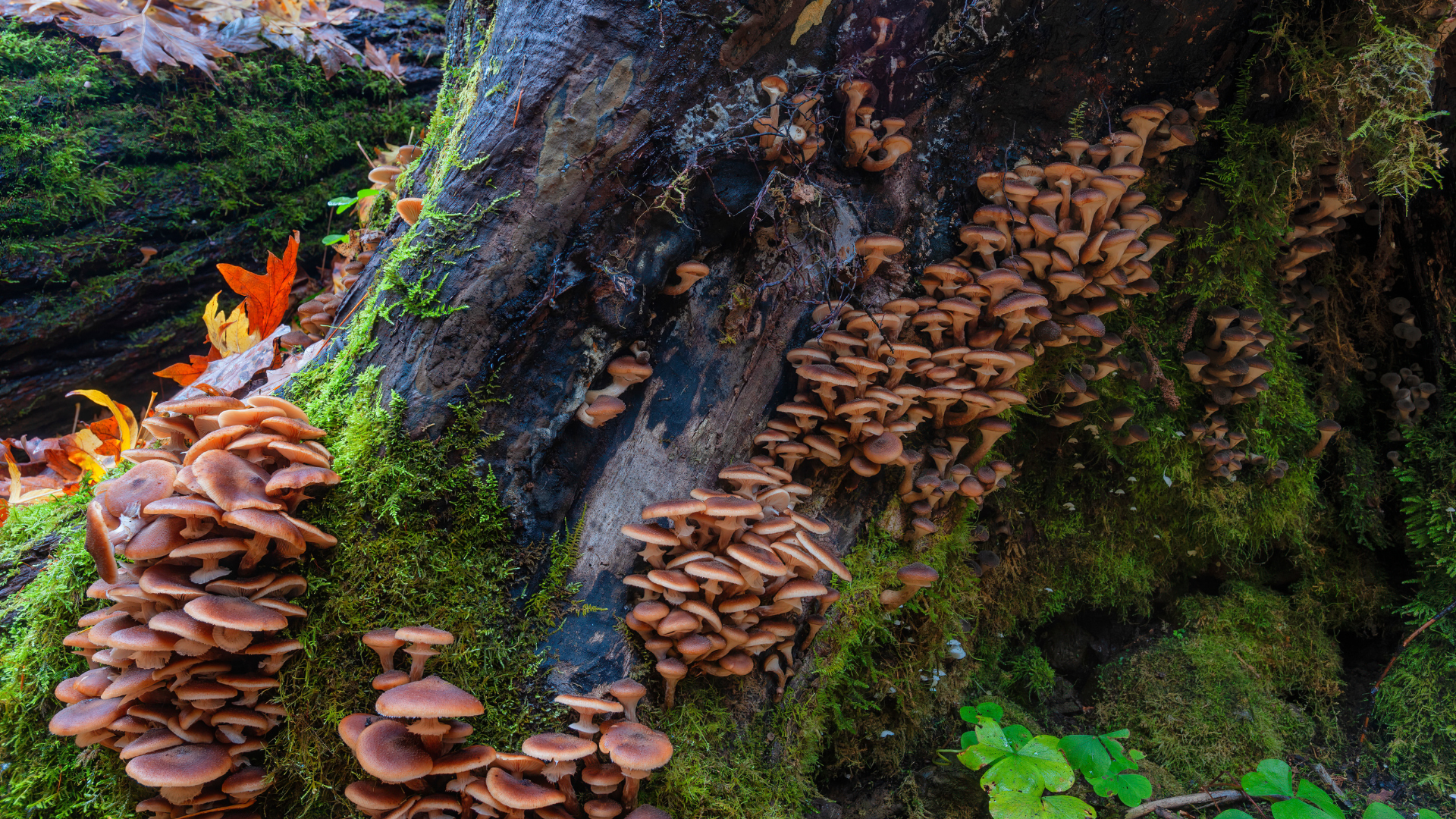
Heat stress does not always kill the tree directly. Sometimes it weakens the tree enough that another problem gains an advantage. Texas A&M Forest Service explains that drought-stressed trees can become more vulnerable to secondary insects and diseases, including wood borers, root rots, and canker pathogens.
Watch for:
- New dead branch tips
- Several dead limbs in one canopy section
- Small holes or insect activity in stressed wood
- Bark beginning to loosen in isolated areas
- Deadwood increasing after several weeks of heat
Dead branches can also become a separate structural concern. Our
tree trimming service in Spring focuses on removing dead, overgrown, or unnecessary branches when pruning is appropriate. If the tree shows more serious decay, cavities, splitting, or widespread decline, our
tree removal guidance explains the conditions that can change the conversation from maintenance to safety.

What Homeowners Should Do for a Heat-Stressed Tree This August
The most useful response is usually reducing stress rather than forcing new growth. Texas A&M Forest Service recommends watering outside the hottest part of the day and notes that established trees under extreme drought may need deep watering every two to three weeks, while younger trees can require more frequent attention.
For summer tree care in North Houston, TX:
- Check soil moisture before watering
- Water deeply rather than applying frequent shallow irrigation
- Focus water beneath the canopy instead of only at the trunk
- Water early in the morning or later in the evening
- Add 2 to 3 inches of mulch where appropriate
- Avoid disturbing or compacting the root zone
- Delay unnecessary live-branch pruning during severe drought

Should You Fertilize a Heat-Stressed Tree in August?
Not automatically. This is one of the biggest distinctions homeowners should understand about tree fertilization in Spring, TX. A tree with yellowing leaves or slow growth may look like it needs fertilizer, but summer stress is often a water or root-zone problem instead.
Texas A&M Forest Service fertilization guidance says most landscape trees do not need fertilizer routinely and recommends soil testing when a nutrient deficiency is suspected. Its drought guidance also warns against applying high-salt, quick-release fertilizers during severe drought because pushing growth can increase water demand at exactly the wrong time.
Water, Fertilize, Trim, or Assess?
| Tree Condition | Best First Step |
|---|---|
| Dry soil with mild wilting | Deep, appropriate watering |
| Heat-stressed tree with no proven nutrient deficiency | Do not automatically fertilize |
| Dead or broken branch | Targeted pruning may be appropriate |
| Uneven canopy decline | Professional health assessment |
| Cavities, splitting, or major decay | Structural evaluation |
| Severe decline across multiple seasons | Assess recovery potential before investing in treatment |
Bill Beal’s blog includes articles on
why tree fertilization matters and when to fertilize trees in Spring. Those topics are most useful when fertilization is treated as a diagnosis-based decision, not a default response to every yellow or thinning canopy.
When Heat Stress Becomes a Tree Safety Problem
This matters across Spring, The Woodlands, Tomball, Cypress, and Harris County because late summer is still part of the Gulf Coast storm season. A tree that has lost structural strength through decay or deadwood may respond differently to wind than a healthy tree that is simply conserving water.
Schedule a closer evaluation when:
- Large limbs are dead over a home or driveway
- The trunk has a visible split
- Cavities or decay are expanding
- The tree develops a new lean
- Root soil begins lifting or cracking
- The decline continues after reasonable watering
Our blog article,
4 Trees You Should Never Ignore After a North Houston Storm, covers the structural side of that decision. The goal is not to turn every stressed tree into a removal project. It is to identify when health decline has created a separate safety issue.
What Does Heat-Stress Tree Care Cost in Spring, TX?
There is no responsible flat price for tree service in Spring, TX because heat-stress work can mean very different things. One tree may need monitoring and better watering. Another may need deadwood trimming. A third may have enough decay or structural failure that removal becomes the safer recommendation.
What Changes Tree Care Cost?
| Cost Factor | Why It Changes the Scope |
|---|---|
| Tree size | Larger trees require more labor and equipment |
| Amount of deadwood | More dead material means more climbing, cutting, and cleanup |
| Access | Fences, pools, roofs, and tight yards affect setup |
| Tree condition | Decay or instability increases complexity |
| Type of work | Assessment, trimming, and removal have different scopes |
| Number of trees | Multi-tree properties require more evaluation and labor |
| Proximity to structures | Homes, vehicles, and utilities require tighter control |
| Emergency condition | Storm-damaged or actively failing trees require a different response |
For homeowners needing tree service in Cypress, TX, Spring, The Woodlands, or surrounding North Houston communities, the best estimate starts with identifying whether the tree needs health support, pruning, monitoring, or structural work.
Frequently Asked Questions
How can I tell if my tree is heat stressed or dying?
Heat stress commonly shows through wilting, leaf scorch, premature leaf drop, smaller leaves, and thinning canopy. A dying tree is more likely to show progressive deadwood, decay, bark loss, structural defects, or failure to recover across seasons. A professional assessment helps separate temporary stress from long-term decline.
How often should I water a mature tree during extreme North Houston heat?
Texas A&M Forest Service says mature trees under extreme drought may need deep watering about every two to three weeks, depending on species, soil, rainfall, and tree condition. Check soil moisture first rather than watering on a fixed schedule.
Should I fertilize a yellowing tree in August?
Not without understanding why it is yellowing. Texas A&M Forest Service advises against quick-release fertilizer during severe drought and recommends testing for nutrient deficiencies before fertilizing. Heat or root stress can look like a nutrient problem.
Should heat-stressed trees be trimmed during summer?
Dead, broken, or hazardous limbs may need pruning, but unnecessary removal of healthy live branches can add stress during drought. Texas A&M Forest Service recommends avoiding live-branch pruning on young trees during severe drought unless safety requires it.
When should I schedule a professional tree health assessment?
Schedule an assessment when symptoms continue spreading, the canopy declines unevenly, major deadwood appears, roots have been disturbed, or the tree has cracks, cavities, decay, or other structural concerns. Early evaluation gives you more options than waiting until the tree has lost a large part of its canopy.
Give a Stressed Tree the Right Kind of Attention
August heat does not mean every wilted or thinning tree needs aggressive treatment. The best response is to understand whether the tree is short on moisture, carrying root damage, developing secondary pests, or moving from a health problem into a structural one.
If you are concerned about tree health in Spring, TX, heat-stressed trees in The Woodlands, or a tree that needs evaluation in Tomball, Cypress, or elsewhere in North Houston, we can inspect the condition and recommend the most practical next step.
Tree Trimming in Spring TX
Tree Removal in Spring TX
Tree Service in The Woodlands TX
Bill Beal’s Tree Care Blog
Contact Bill Beal’s Bonded Tree Service