Palm Tree Trimming vs Standard Trimming: Spring TX Guide
Introduction
When a tree service crew shows up to trim a palm in a Spring, TX yard, they'll often treat it the same way they'd treat an oak — and that's the problem. Palm tree trimming and standard tree trimming are not the same service, they use different tools and timing, and applying one technique to the other's tree can damage it. Standard tree trimming shapes branching hardwoods for health and storm resistance. Palm tree trimming removes fronds selectively around a single growing crown that, if damaged, can kill the tree. For Spring TX properties — many with a mix of oaks, pines, and palms in the same landscape — the distinction matters more than homeowners realize, especially with Gulf Coast freeze events that punish an over-trimmed palm far more than a hardwood. Bill Beals serves Spring, The Woodlands, Cypress, Tomball, and greater Harris County TX. This guide explains which technique your trees actually need.

What Is Standard Tree Trimming — And What Does It Actually Do?
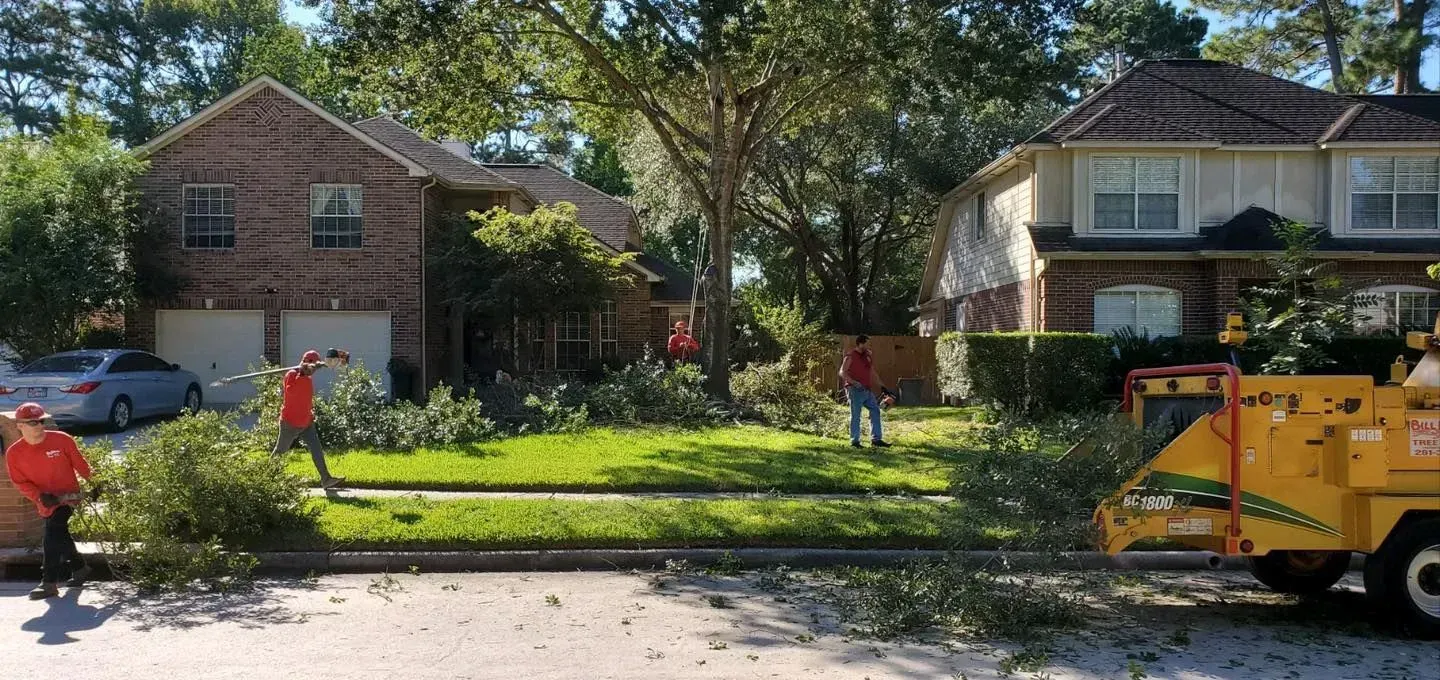
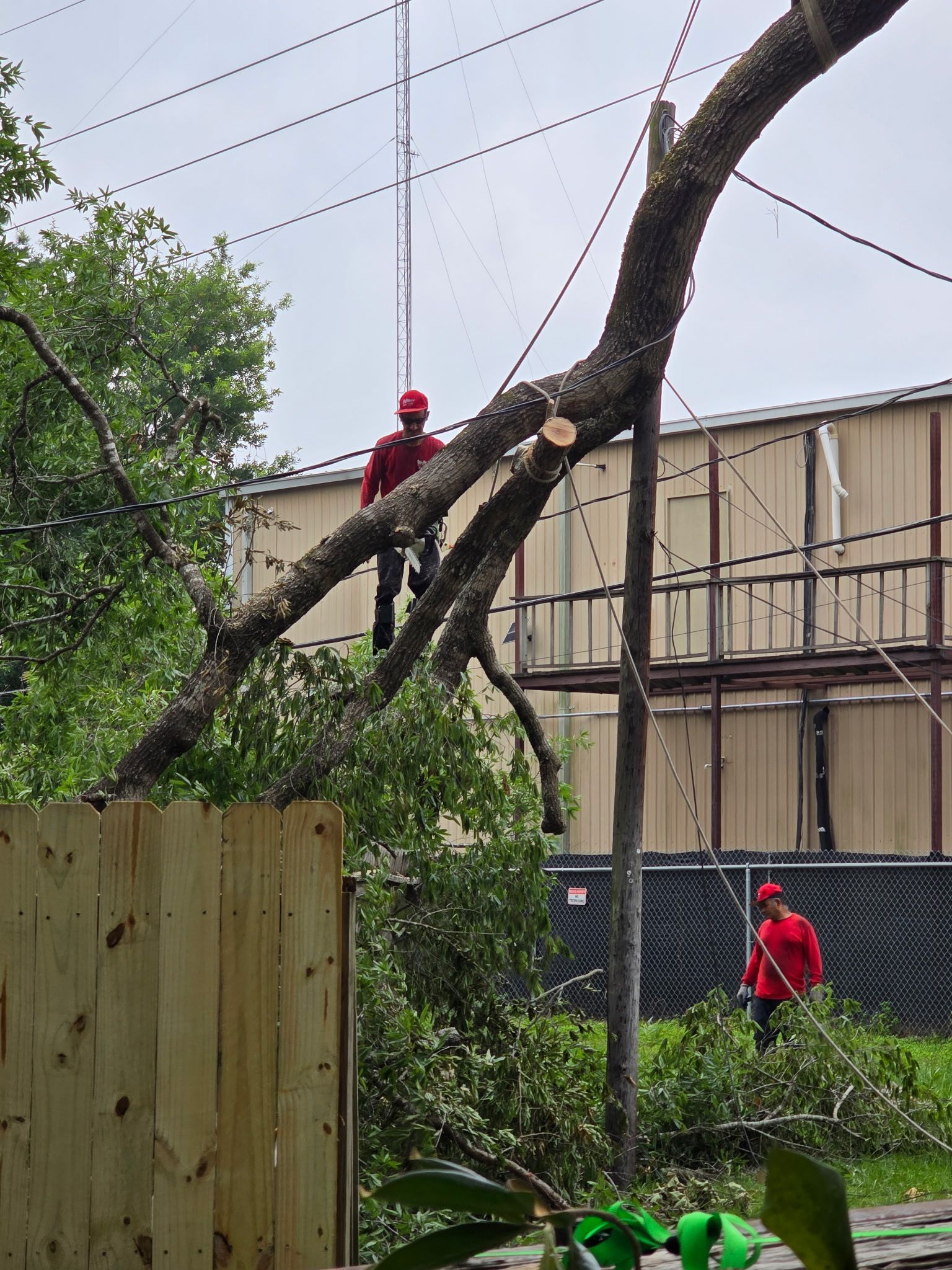
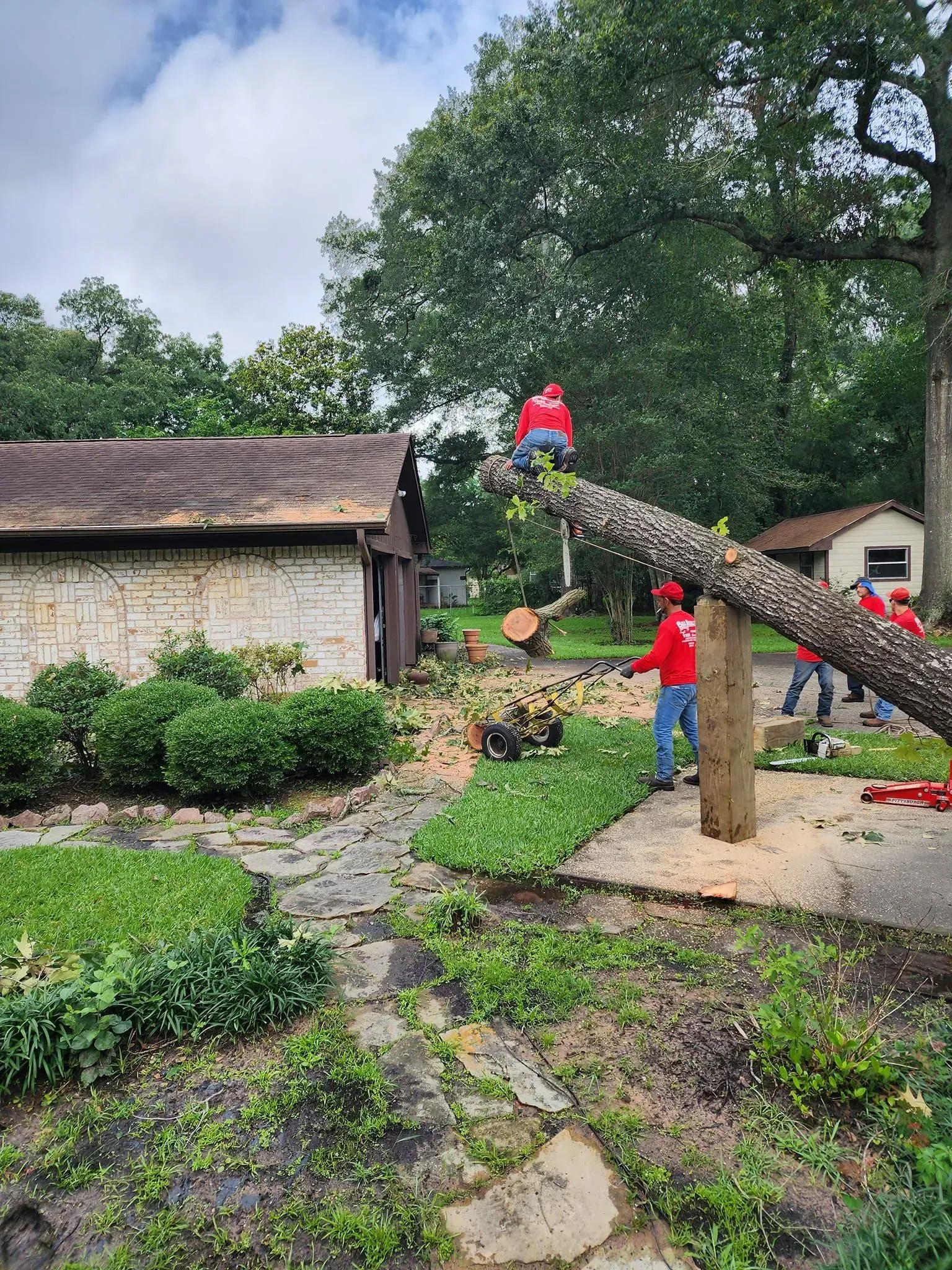
Standard tree trimming removes selected limbs from branching hardwoods and conifers to shape growth, improve health, and reduce storm risk:
How it works: A crew identifies dead, crossing, or hazardous limbs and removes them at the branch collar using chainsaws and pole saws, working from multiple growth points spread across the canopy. The tree can lose a meaningful percentage of limb growth in a season without lasting stress, because new growth points continue developing elsewhere on the tree.
What standard trimming does well:
- Reduces storm and wind-throw risk on oaks, pines, and other Harris County hardwoods
- Improves airflow and sunlight penetration through the canopy
- Removes dead or diseased limbs before they drop or spread decay
- Shapes young trees for stronger long-term structure
What standard trimming does not do:
- Apply safely to palms — the technique and tools target the wrong growth structure entirely
- Account for a single growing point that, once cut wrong, can't be corrected
- Address frond-specific issues like boots (frond bases) or crown shaping
- Protect a palm from freeze vulnerability created by over-pruning before winter
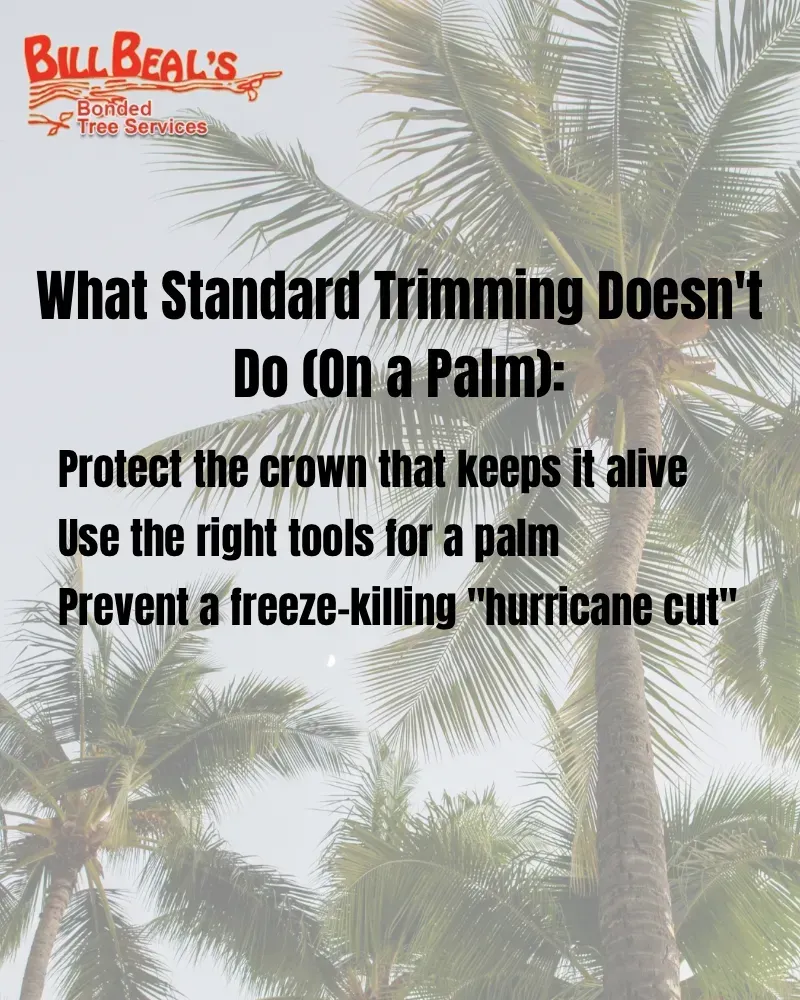
The wrong-tool signal: A palm trimmed with standard limb-removal technique often ends up with a "hurricane cut" — every frond stripped except a small tuft at the top. It looks tidy for a few weeks, then the tree shows stress, slowed growth, or freeze damage the following winter, because the crown was never designed to be trimmed that way.
What Is Palm Tree Trimming — And When Is It the Right Choice?
Palm tree trimming selectively removes dead, damaged, or drooping fronds while preserving the single crown that the entire tree depends on:
How it works: A trained climber accesses the crown using palm-specific spikes or harness gear and removes fronds individually with a frond saw, following the tree's natural spiral growth pattern. Only fronds that are dead, damaged, or hanging below horizontal are removed — healthy green fronds stay, because the palm stores nutrients in the trunk rather than in branching wood and needs its canopy intact.
What palm trimming does:
- Removes dead and drooping fronds without stressing the crown
- Preserves the nutrient-storing canopy the palm needs to survive Texas winters
- Clears frond boots and seed pods that attract pests or drop hazards
- Improves the palm's appearance without the over-trimmed "hurricane cut" look
When standard technique genuinely isn't enough:
- The tree is a palm species, not a branching hardwood
- Fronds are dead, drooping, or creating a drop hazard over a walkway or structure
- A previous crew has already over-trimmed the crown and it needs specialist assessment
- Freeze season is approaching and crown protection is a priority
The Spring TX Specific Factor — Freeze Vulnerability and Hurricane-Cut Damage
Spring TX and the greater Houston area plant palms extensively in suburban and commercial landscaping, but the region is not tropical — it's subject to periodic hard freezes, including severe events like Winter Storm Uri, that push cold-hardy palm species to their limit. A palm that's been over-trimmed into a "hurricane cut" heading into a freeze has far less stored energy and canopy protection than a properly trimmed one, and the difference frequently shows up as die-back or death the following spring. Because so many general tree crews in the Spring TX area apply standard technique to palms by default, freeze damage from over-trimming is one of the most preventable — and most common — palm losses in the region.
The Side-by-Side Comparison for Spring TX Properties
| Factor | Standard Tree Trimming | Palm Tree Trimming |
|---|---|---|
| Growth structure | Branching, multiple growth points | Single crown growth point |
| Method | Branch collar removal with chainsaws/pole saws | Selective frond removal with frond saws |
| Tools required | Chainsaws, pole saws, chippers | Frond saws, palm-specific climbing gear |
| Timing considerations | Dormant season pruning common | Avoid over-pruning before freezes |
| Risk if done wrong | Uneven growth, minor stress | Crown damage, freeze vulnerability, tree death |
| Debris | Branches, limbs | Fronds, seed pods, boots |
| Best for | Oaks, pines, other hardwoods | Palms of any species |
How to Know Which Approach Your Spring TX Trees Need
Standard trimming works when:
- The tree is a branching hardwood or conifer — oak, pine, elm, etc.
- Storm-risk limbs need removal before a season change
- The canopy needs shaping for health or clearance
- Multiple limbs can be removed without threatening a single growth point
Call a palm specialist when:
- The tree is any palm species
- Fronds are dead, drooping, or hanging over a walkway or roofline
- A previous crew has already over-trimmed the crown
- Freeze season is approaching and the crown needs protecting, not thinning
- Seed pods or frond boots are creating a mess or pest issue
The Crown Assessment First Approach
Before recommending a trimming plan on any palm, Bill Beals assesses crown health first — checking for existing over-trimming, pest activity, and frond condition before a single cut is made. This confirms how much can safely be removed without stressing the tree, rather than defaulting to a uniform trim that looks tidy but leaves the palm vulnerable. The right trim follows from the crown's actual condition, not from habit.
Spring TX Tree Problems by Type — Which Approach Applies
Oak and hardwood canopy management Storm-risk limbs, crossing branches, and deadwood on Spring TX and Cypress TX oaks and pines are standard trimming situations — shape and safety pruning that the tree tolerates well.
Palm crown care Dead or drooping fronds on any palm species throughout Spring, The Woodlands, and Tomball TX call for selective frond removal, not standard limb-cutting technique.
Hurricane-cut recovery A palm that's already been over-trimmed by a previous crew needs a specialist assessment of what's left of the crown — further cutting can compound the damage rather than fix it.
Storm damage cleanup After a Harris County storm, downed or broken limbs on hardwoods and damaged fronds on palms are two different cleanup jobs requiring two different techniques — often on the same property.
Mixed landscape properties Many Spring TX properties have both hardwoods and palms in the same yard. Treating them with one crew and one technique is how hurricane-cut damage happens — Bill Beals' crew is trained in both.
Bill Beals: Palm Tree Trimming and Standard Tree Trimming Throughout Spring and Harris County TX
The right trimming approach for your Spring TX trees depends on what kind of tree is actually in your yard — not on whichever technique the crew defaults to. Bill Beals provides standard tree trimming, palm tree trimming, and crown assessment throughout Spring, The Woodlands, Cypress, Tomball, and greater Harris County TX, with the palm-specific training that general tree crews in the area often lack.
What every Bill Beals tree service includes:
| Service Component | What It Covers |
|---|---|
| Crown/canopy assessment before trimming | Honest recommendation based on tree species and condition |
| Standard tree trimming | Branch collar removal for hardwoods and conifers |
| Palm tree trimming | Selective frond removal preserving crown health |
| Freeze-season prep | Timing guidance to avoid over-trimming before cold events |
| Storm damage cleanup | Limb and frond removal after severe weather |
| Tree removal & stump grinding | Full-service cleanup when a tree can't be saved |
The recommendation always follows the property and the plan rather than defaulting to the more expensive service. If grinding solves the problem, that is what gets recommended. If the homeowner's plan for the spot genuinely requires extraction, that reasoning is explained before any work is scheduled.
Contact Bill Beals today for a free tree assessment in Spring TX and the surrounding area.
Schedule Your Free Tree Assessment →
Read: Tree Removal Spring TX →
Read: Stump Grinding Spring TX →