
Why Is Bark Peeling Off My Tree, and Should I Be Worried?

November 9, 2026

Share this article

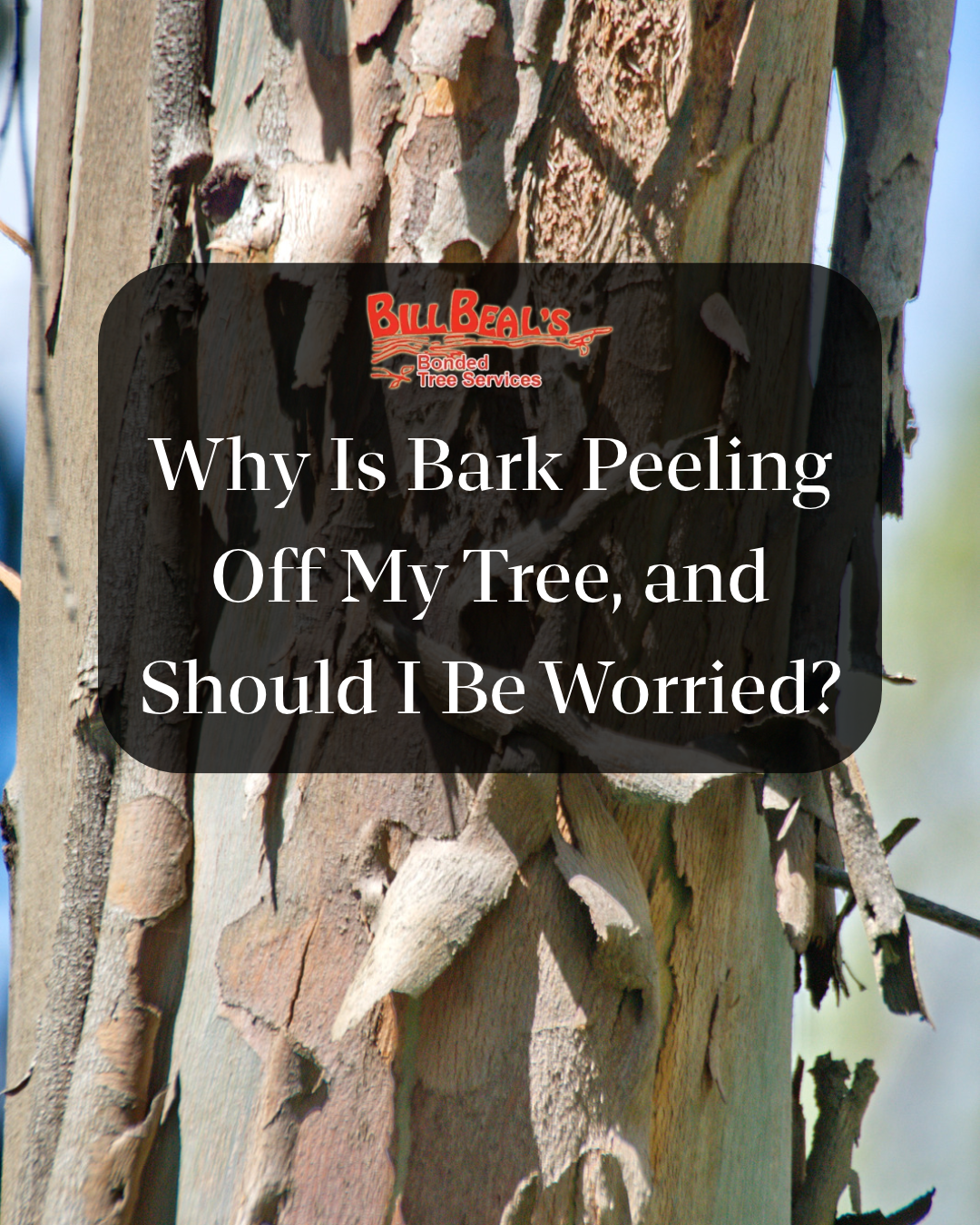
Tree bark peeling with overlaid text: “Why Is Bark Peeling Off My Tree, and Should I Be Worried?”

Peeling bark does not always mean a tree is dying. Some species naturally shed outer bark as they grow, while other trees lose bark because of injury, environmental stress, insects, or disease. The important distinction is whether the change fits the species and whether other warning signs are present. A patch of loose bark should start an investigation, not an automatic decision to remove the tree.


At Bill Beal's Bonded Tree Service, we help Spring homeowners evaluate tree concerns and choose appropriate trimming or removal when the condition warrants it. We also serve The Woodlands, Tomball, Humble, Cypress, and Conroe. This guide explains what you can observe from the ground and when a professional evaluation makes sense. You do not need to pull bark away or climb the tree to gather useful information.

When Peeling Bark Is Part of Normal Growth

A tree's outer bark changes as the trunk and branches increase in size. Some trees develop characteristic flakes, strips, or patches as older outer layers come away. River birch and sycamore are examples of trees known for distinctive shedding bark. Identifying the species is the first useful step when asking why bark is peeling off your tree.


The Texas A&M Forest Service's peeling-bark guide explains that bark shedding can be normal in some species while also occurring with health problems. Consider whether your tree has followed a similar pattern in previous years and whether its canopy looks consistent with its normal seasonal condition. Naturally exfoliating bark can reveal a different color underneath without indicating a serious wound. If you cannot identify the tree or distinguish normal shedding from exposed wood, request help rather than peel more bark to investigate.

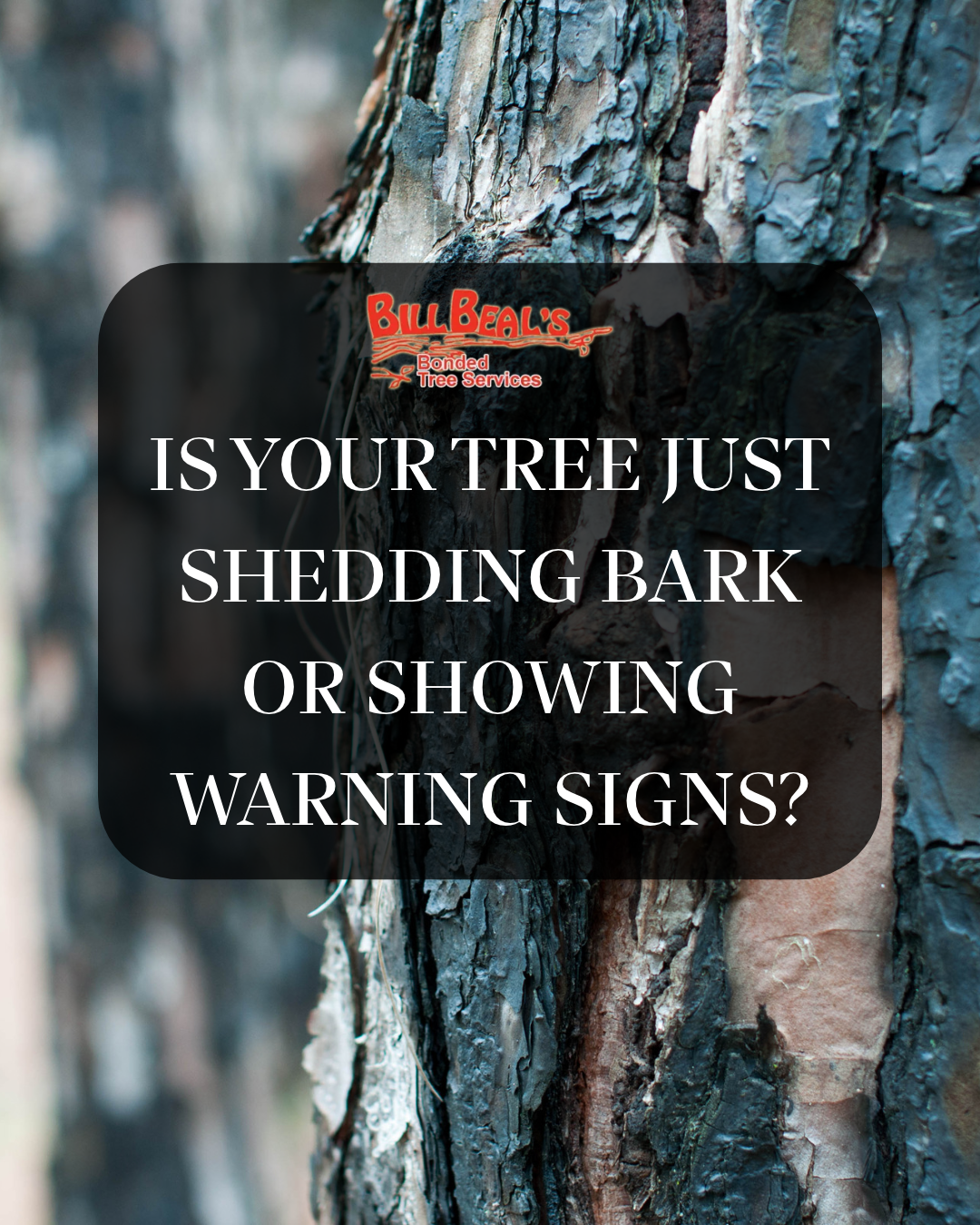
Tree bark close-up with text:

How to Tell Normal Shedding From a Concerning Change

Look at the pattern and the whole tree together. A familiar shedding pattern on a suitable species deserves a different response from a new injury accompanied by dying limbs. No single photograph or color reliably establishes the cause or the tree's structural condition.

Observation What it may suggest Useful next step
Familiar seasonal flaking on a naturally shedding species Normal bark development is possible Confirm species and compare with past appearance
New bark loss exposing a wound or bare wood Injury or tissue damage may be involved Arrange evaluation and document changes
Bark loss with thinning or dead branches Broader decline needs investigation Request a professional assessment
Long fresh strip after a storm Storm or lightning injury is possible Stay clear and have the tree evaluated
Powdery or crust-like material under missing bark A fungal issue may require identification Photograph from a safe position without disturbing it
Deep crack, hanging limb, or recent lean A structural hazard may coexist Keep people away and seek prompt help

An otherwise green canopy does not prove the trunk is structurally sound, and seasonal leaf loss does not prove a tree is dying. Timing, species, previous damage, and the affected area all matter. Compare observations with the tree's usual behavior instead of using one symptom as a verdict.


Our guide to dangerous tree signs after a storm explains why cracks, damaged branches, and changing structure deserve attention together. Bark loss may be only one part of that picture. If a limb could reach a roof, driveway, or play area, tell us about that exposure when you call.

Why Weather and Physical Damage Can Affect Bark

North Houston trees can experience heat, drought, severe storms, and occasional sharp temperature changes. Those conditions do not cause every instance of tree bark falling off, but they belong in the history of a newly affected tree. The timing of the visible damage may not match the timing of the original injury.

Heat, Drought, and Earlier Stress

A tree can show the effects of stress after the most obvious weather event has passed. Reduced vigor may also make some trees more susceptible to secondary pests or diseases. Texas A&M Forest Service's drought guidance describes this connection, including delayed pest problems in stressed trees. Tell us about prolonged dry conditions, irrigation changes, or earlier canopy decline rather than assume the bark loss began as an isolated surface issue.

Storms and Temperature-Related Injury

A fresh strip of missing bark following a storm calls for a different assessment from gradual outer-bark flaking. Lightning, impact, or a damaged limb can leave injuries that extend beyond the visible surface. Temperature-related cracking is another possible explanation, particularly where an earlier wound already exists. Do not stand beneath a damaged tree to trace a split upward or try to confirm that lightning struck it.

Mowers, Trimmers, and Work Around the Tree

Look for a history of repeated contact at the trunk base or recent activity near the root zone. Lawn equipment, vehicle impact, construction, and tight attachments can injure a tree in different ways. A fresh scrape low on the trunk may therefore need a different response from bark falling high in the canopy. Prevent further contact while arranging evaluation, without cutting or scraping the wound yourself.

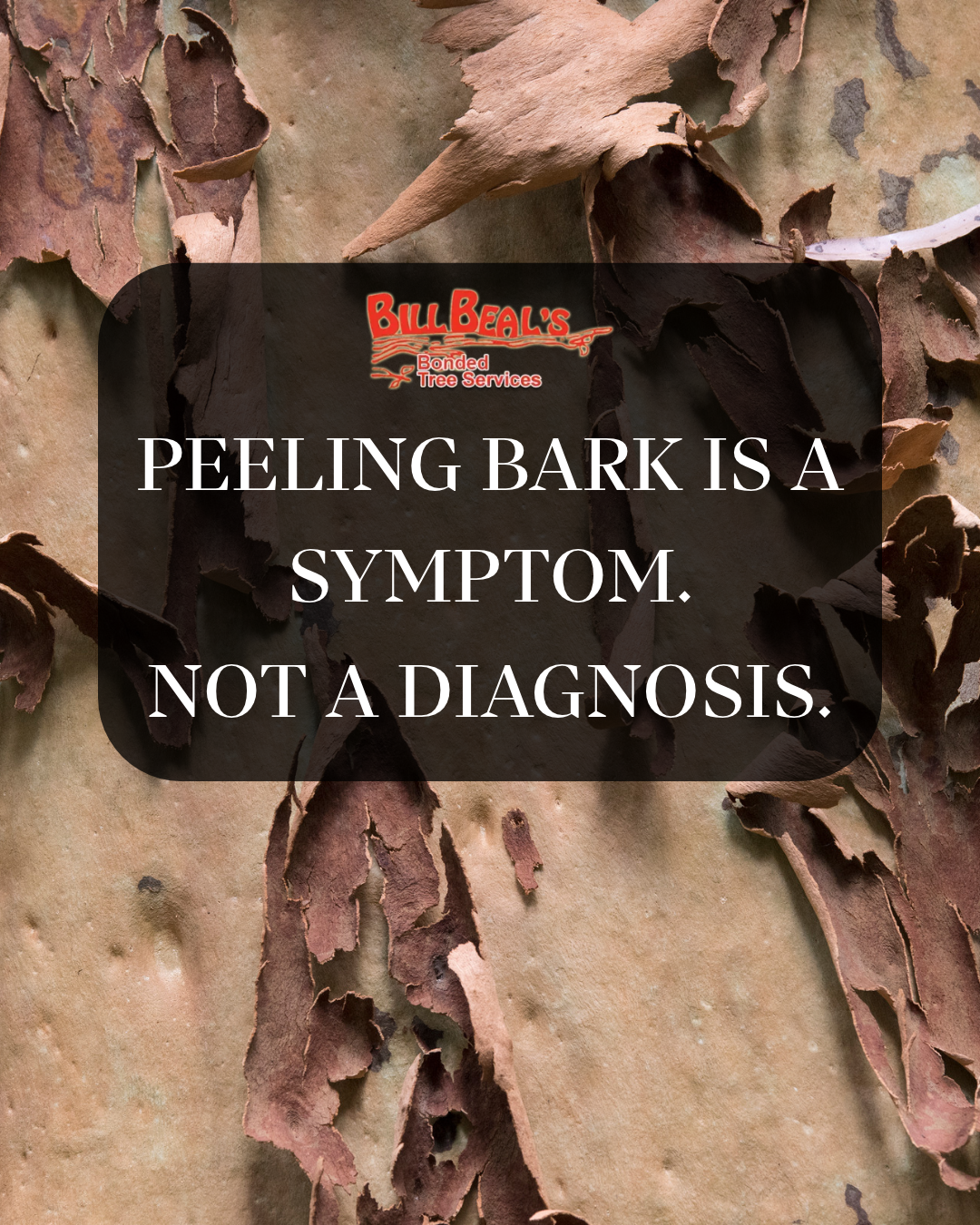
Close-up of peeling tree bark with overlaid text: “Peeling bark is a symptom, not a diagnosis.”

Is Peeling Bark a Sign of Disease or Insects?

It can be, but bark loss alone cannot identify a disease or insect problem. Holes, sawdust-like material, unusual patches, and canopy changes can help guide a closer examination. They do not justify buying a pesticide or fungicide before the cause is understood.

Hypoxylon Canker and Stressed Hardwoods

Texas A&M Forest Service identifies Hypoxylon canker as a serious disease associated with stressed oaks and other hardwoods. Its guidance describes crown thinning, branch dieback, and bark coming away to expose fungal material. Confirmed disease can involve rapid wood decay, which makes assessment important where the tree could strike people or property. A professional should distinguish this condition from other bark changes rather than label every dark patch Hypoxylon.

Insects and Other Signs Need Context

Visible insects may be connected to a tree's decline, or they may be using bark that was already damaged. The presence of an insect does not establish that it caused the original injury. Photograph what you can see without stripping bark or probing openings. If identification or testing beyond a visual assessment is needed, ask what qualified specialist should be involved.

Warning signs worth reporting include:

  • Bark loss expanding into new areas.
  • Dead branches appearing alongside trunk changes.
  • Unusual powdery, crusted, or discolored material beneath missing bark.
  • New holes, resin, or sawdust-like debris associated with decline.
  • A wound that follows a recent storm or impact.
  • A canopy becoming noticeably thinner outside its usual seasonal pattern.

What Peeling Bark on Oak Trees Can Mean

Peeling bark on oak trees deserves context rather than an automatic diagnosis. Oaks can develop surface changes that look alarming without necessarily indicating internal decay. Iowa State University Extension's guide to shedding and splitting bark describes smooth patch, a condition affecting dead outer bark that can create pale, smoother areas on some oaks. That appearance differs from a diagnosis of a destructive trunk disease, even though a homeowner may describe both as bark peeling.


A new area of exposed wood, deep cracking, or crown dieback still warrants professional attention. Do not assume that one harmless explanation applies to every patch on the same tree. Also avoid making fresh cuts simply to investigate the oak or remove a suspicious-looking branch yourself. The assessment should consider the species, injury, canopy, and any disease-specific precautions before work is planned.

A Safe Ground-Level Checklist for Homeowners

You can collect useful information without touching the affected area. Stay outside the reach of hanging limbs and avoid approaching a tree with a new lean, active cracking, or disturbed ground. If observing it would place you beneath a suspected hazard, keep your distance and call instead.

  • Identify the tree if possible. Share an existing planting record or photos of leaves and the overall tree taken from a safe location.
  • Record when you noticed the change. Distinguish a newly discovered symptom from a confirmed recent injury.
  • Photograph the pattern. An overall view and a closer view taken safely help show where the bark is coming away.
  • Look at the canopy. Note dead limbs, unusual thinning, or changes compared with the same season in earlier years.
  • Check the surrounding history. Mention storms, excavation, equipment contact, irrigation changes, or new construction.
  • Describe nearby targets. A house, pool, road, fence, or frequently used walkway affects the practical risk assessment.
  • Keep a record of progression. If monitoring is appropriate, compare photos from the same position rather than relying on memory.


Our related article on mushrooms at the base of a tree explains another symptom that needs interpretation in context. A mushroom and a peeling patch do not automatically identify the same problem. Report both when they occur together so the assessment considers more than the trunk surface.


You can use this approach in The Woodlands, Tomball, Humble, Cypress, or Conroe just as you would in Spring. The recommendation depends on the tree and what it could affect, rather than the city name alone. Let us know if the trunk is behind a fence or otherwise difficult to see safely.

What to Avoid While You Wait for an Assessment

Do not pull loose bark away, carve the edge of a wound, or scrape the trunk to see what is underneath. Those actions can enlarge an injury or disturb material that would help identify the cause. Avoid treating unexplained bark loss with a general-purpose chemical or assuming fertilizer will reverse structural damage. Protecting the tree from additional injury is a better first step than attempting a diagnosis by removal or treatment.


Keep mowing equipment away from the trunk and avoid adding tight wraps, lights, ropes, or other attachments. Watering decisions should account for existing soil moisture and the tree's needs rather than follow a blanket instruction to soak the area daily. If the tree has a hanging branch, fresh split, or utility-line involvement, keep the area clear and contact the appropriate professionals. Do not climb, use a ladder against the tree, or attempt to cut a damaged limb that could shift unexpectedly.

Choosing Monitoring, Trimming, or Removal

The useful question is what action fits the confirmed condition. Normal species-related shedding may need no corrective work, while damaged limbs or a compromised trunk can require a different response. We explain the findings and practical options before recommending a service.

Assessment direction When it may fit What the plan should explain
Monitor Bark change fits the species and no concerning defects are identified What to watch and when to reassess
Improve care or seek specialist advice Environmental stress or a health concern needs further evaluation The suspected cause and appropriate next step
Targeted trimming Specific dead or damaged branches can be addressed Which limbs need work and why
Removal evaluation Serious decline or structural damage creates unacceptable risk Why retaining the tree is unsuitable
Prompt hazard response A hanging limb, fresh split, or changing lean threatens an occupied area Immediate access restrictions and safe work planning

Our tree trimming services can address appropriate branch work, but trimming does not repair a failing trunk or cure an unidentified disease. Our tree removal services address trees that need removal after their condition and surroundings are evaluated. Peeling bark by itself should not decide between those services.

Understanding the Cost Before Approving Work

We provide a free on-site estimate based on the tree, access, nearby structures, and proposed work. For independent budgeting context, HomeGuide's tree trimming cost guide lists an average of 400–900 per tree, while its tree removal cost guide lists 400–1,200 on average. These national figures help frame the options while we prepare a quote for the actual scope.

Work or cost factor National planning context What to clarify in our estimate
Tree trimming About 400–900 per tree on average Specific branches and cleanup included
Tree removal About 400–1,200 on average Tree size, condition, dismantling, and debris handling
Difficult access Varies by property Gates, fences, pools, buildings, and equipment access
Severe decay or instability Requires individual planning How the condition changes the work method
Stump work Confirm separately Whether grinding and related cleanup are included

A large or compromised tree over a building can require substantially more planning than an accessible tree in open space. Ask for a written description of the work rather than compare totals that cover different tasks. The estimate should make clear whether it includes debris removal, stump work, and any additional coordination.

Frequently Asked Questions

  • Why is bark peeling off my tree even though the leaves are green?

    Some trees shed outer bark naturally, and foliage can remain green after certain injuries. A green canopy does not establish the condition of the trunk. Species, bark pattern, and other defects need to be considered together.

  • Is peeling bark a sign of a dying tree?

    Sometimes, but it is not proof by itself. Bark loss with spreading dieback, exposed wounds, or fungal material is more concerning than familiar shedding on a suitable species. An assessment helps distinguish those situations.

  • Should I remove bark that is already loose?

    Leave it in place while the cause is being evaluated. Pulling can damage attached tissue or disturb useful evidence. Take photos from a safe position instead.

  • Can a tree recover after losing bark on the trunk?

    Some trees can survive limited injuries, while extensive damage may have a much poorer outlook. The cause, depth, location, and extent of affected tissue matter. A professional assessment is more useful than a universal percentage or recovery promise.

  • Does bark peeling from disease always require removal?

    The diagnosis and structural condition determine the recommendation. Some surface conditions are harmless, while serious diseases can create substantial decay. Do not make a removal decision based only on the presence of a patch or discoloration.

  • When should I keep people away from the tree?

    Restrict access when bark loss accompanies a hanging limb, deep fresh split, changing lean, or other apparent structural failure. Avoid the area beneath affected branches. If utilities are involved, contact the utility and keep away from the tree and lines.

Get Clear Answers About Your Tree's Condition

If you are unsure why bark is peeling off your tree, we can help evaluate the concern and explain appropriate trimming or removal options. We serve Spring, The Woodlands, Tomball, Humble, Cypress, and Conroe. Tell us whether the bark loss is new and whether you have noticed damaged limbs, a lean, or recent storm injury. The goal is a decision based on the tree's condition, not fear caused by one symptom.


Contact Bill Beal's Bonded Tree Service or call 281-367-4223 to request a free on-site estimate. Share photos taken from a safe location if they are available. Keep people away from any suspected hazard while the next step is arranged. We will explain the proposed work so you understand what needs attention and why.

Helpful Services and Related Reading

Recent Posts

Hands holding a small green seedling above dark soil, symbolizing planting and growth.
October 26, 2026
Learn why fall is a good time to plant trees in North Houston, how to choose a suitable site, and what Spring homeowners should plan for watering and care.
Worker in safety harness on a tree near a wooden deck, using climbing gear.
October 12, 2026
Learn the best time to trim trees in Texas, when oak pruning should be avoided, and how Spring-area homeowners can plan safer seasonal tree care today.
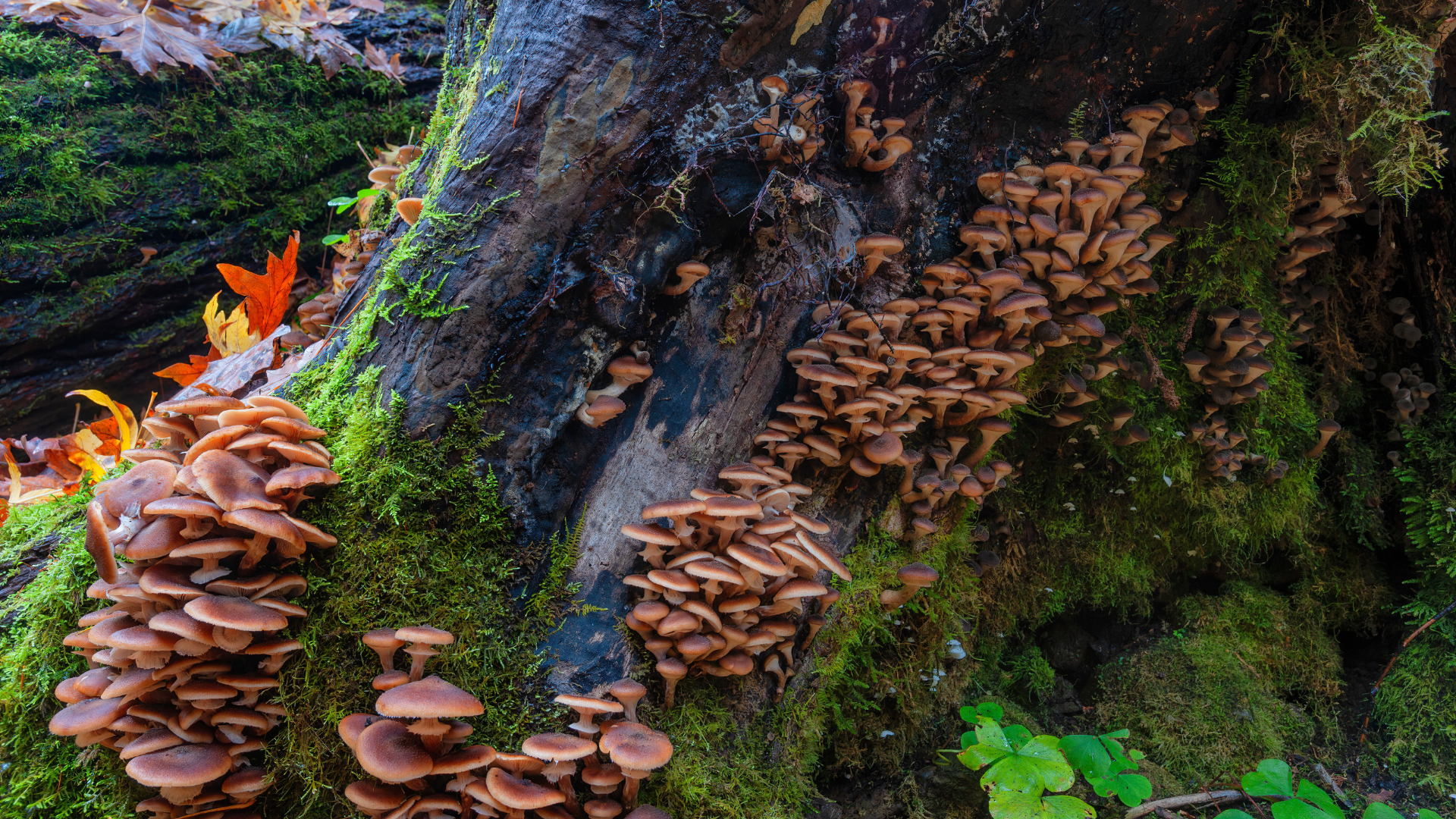
Clustered brown mushrooms growing on a mossy tree trunk in a forest, with a small orange leaf nearby
September 28, 2026
Learn why mushrooms at a tree base may signal hidden root decay, which warning signs matter, and when Spring, TX homeowners should request an assessment.
Yellow lawn mower kicking up dirt on a grassy patch outdoors
September 14, 2026
Learn 5 reasons to grind an old tree stump before fall yard cleanup in Spring, TX, including trip hazards, pests, lawn care, and future landscaping plans.
Workers trimming a grassy lot between two houses, with a yellow wood chipper at right.
August 24, 2026
Learn 4 signs of tree heat stress in Spring TX this August, what homeowners can do, and when a professional tree assessment makes sense.
Palm tree trimming vs standard tree trimming Spring TX Bill Beals
August 10, 2026
Palm trees need different trimming techniques than hardwoods. Bill Beals explains which method your Spring TX trees actually need.
Worker in red helmet cutting a fallen tree limb in a backyard.
July 28, 2026
Stump grinding and removal sound alike but leave your Spring TX yard in different shape. Bill Beal's Tree Service explains which one fits your plans best.
People in red shirts working in a muddy, tree-filled park with a backhoe and flags nearby
July 14, 2026
Learn five warning signs a tree may be unsafe after a storm and when Spring, TX homeowners should call for a professional inspection.
Worker in red helmet clearing fallen tree limbs from a roof with a chainsaw and ladder nearby
June 30, 2026
Learn how untrimmed trees in The Woodlands, TX can damage property, increase storm risks, and create costly safety and liability issues.
Person in red shirt cuts a fallen tree in a muddy yard beside a small house.
June 16, 2026
Learn how to prepare trees for hurricane season in Spring, TX and discover which Harris County tree species face the highest storm risk.
Show More